
Karate initially developed in Okinawa. It literally means "empty hand", as it was an unarmed form of fighting and self-defence. In its early stages, karate had no specific styles, names or even belt systems as are common today. Karate was taught in private, often with just one or two students. There were no systematic or rational approaches to training as is common today.
Karate first reached Tokyo in 1922, brought there during an exhibit by Gichin Funakoshi (1868-1957). Funakoshi Sensei moved from Okinawa to Japan and began to create a standardized karate curriculum. This curriculum of karate evolved into the modern karate style known as Shotokan or Shoto-Ryu.
During this same period early in the 20th century, other prominent karate masters moved from Okinawa to Japan. This included Kenwa Mabuni (1889-1952), founder of the Shito Ryu style of karate. After a brief stay in Tokyo, Mabuni Sensei moved to Osaka in 1929 where he set out to promote and develop Shito Ryu Karate and Okinawan Kobudo (traditional weapons).
In addition to Shito Ryu and Shotokan, the Goju Ryu and Wado Ryu styles were developed in this period. Collectively, these styles are commonly referred to as the four major styles of karate.
Another noteworthy style of karate is Chito Ryu, created by Dr. Tsuyoshi Chitose (1898-1984). Chitose Sensei contributed much to the early development of karate.
Many other styles were developed over the following decades.
David Akutagawa (1937-2008) moved to Calgary after graduating university in Japan. Akutagawa Sensei's early karate background was in the Shito Ryu and Shotokan styles. In 1967, Akutagawa Sensei started a karate club. The club was located at Hiro's Judo Club in Calgary. His first student in Canada was Frank Prystupa.
Soon after coming to Calgary, Akutagawa Sensei travelled to Toronto to meet Sensei Masami Tsuruoka. Tsuruoka Sensei is known as the "Father of Canadian Karate" as he was the founder of the National Karate Association (later renamed to Karate Canada). He was a student of Chitose Sensei and the head instructor of the Chito Ryu style in Canada. It was Tsuruoka Sensei who introduced Akutagawa Sensei to Chitose Sensei, founder and supreme instructor of Chito-Ryu. Akutagawa Sensei began training in the Chito Ryu style under Chitose Sensei.
In 1973, David Akutagawa and Frank Prystupa were two of the founding members of the Karate Alberta Association (KAA). Although the only style initially represented was Chito Ryu, the founders had a vision to promote karate principles and teachings within Alberta. Now more than 50 years later, Karate Alberta has clubs from many different styles of karate.
Akutagawa Sensei spent many years training in the Chito Ryu style. In December of 1996, he resigned as Vice Councillor of Canadian Chito Ryu and founded the Canadian Renshikan Karate organization in January 1997. Renshikan translates as an organization of people united together. The purpose of the organization was to study traditional Japanese Karate and Okinawan kobudo (traditional weapons).
Akutagawa Sensei became a direct student of Sensei Kenei Mabuni (1918-2015), head of Shito Ryu Karate and the son of Shito Ryu founder Sensei Kenwa Mabuni. On June 1, 2006, Mabuni Sensei promoted Akutagawa Sensei to 8th Dan and Shihan and officially affiliated the Renshikan organization with Shito Ryu Karate.
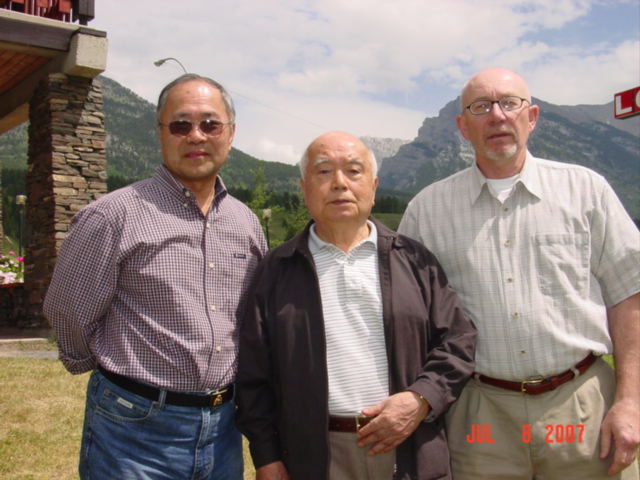
Senseis Akutagawa, Mabuni, Prystupa in Canmore, AB in 2007.
Shito Ryu Karate is one of the four major styles of karate. Its curriculum includes more kata than any other style, preserving the kata taught by the old karate masters of the 19th century.
Sensei Peter Akutagawa is the current head of the Canadian Shito-Ryu Renshikan Karate. He was promoted to 6th degree black belt in 2012. He is the son of founder Sensei David Akutagawa.
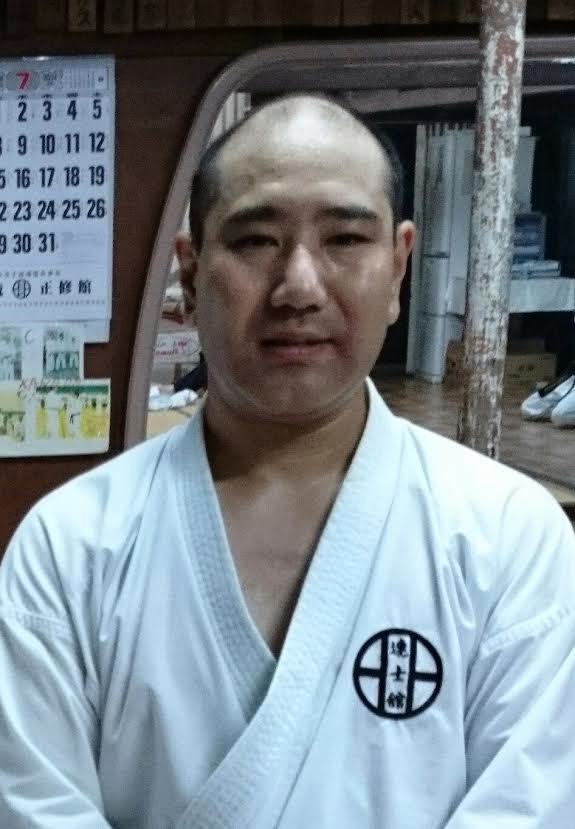
Sensei Peter Akutagawa
Sensei Kenyu Mabuni, grandson of Sensei Kenwa Mabuni, is the current head of the Shito Ryu Karate Do organization.
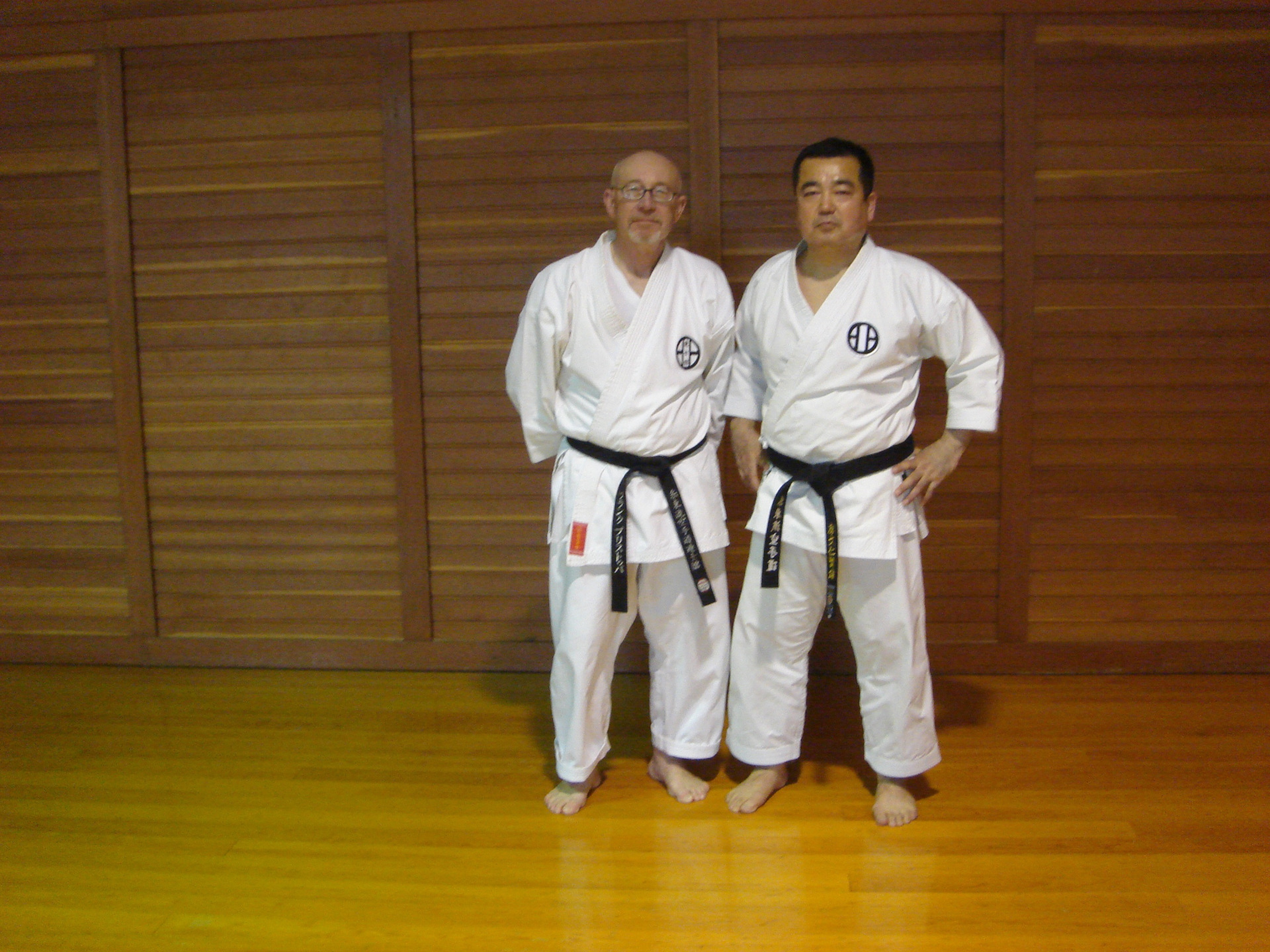
Senseis Frank Prystupa and Kenyu Mabuni in Tokyo, Japan, in 2009.
The Alberta Renshikan Karate Association was formed to support Renshikan students in their training and to help promote Shito Ryu Renshikan in Alberta. The Association is honoured to host training clinics with Sensei Peter Akutagawa and other senior instructors, including instructors from Japan. These senior instructors share their knowledge to assist students in their karate progress.